


CLEAR risk.
SHARED standards.
RESPONSIBLE autonomy
MAVRC connects autonomous-vessel developers and operators with government, marine insurance, maritime law, regulation, technology, finance, and the broader maritime industry.
WHY MAVRC EXISTS
Autonomy is moving faster than the framework around it.
Operational choices create regulatory questions. Contract terms help determine where liability and loss ultimately reside. Software, cyber, and data issues cross traditional risk and coverage boundaries. MAVRC brings the right stakeholders together early, before gaps become barriers.
THE MAVRC PREMISE
Autonomous vessels are not simply “new vessels.”
They are new risk objects.
THREE CONNECTED WORKING AREAS
One council. Three disciplines. Shared outcomes
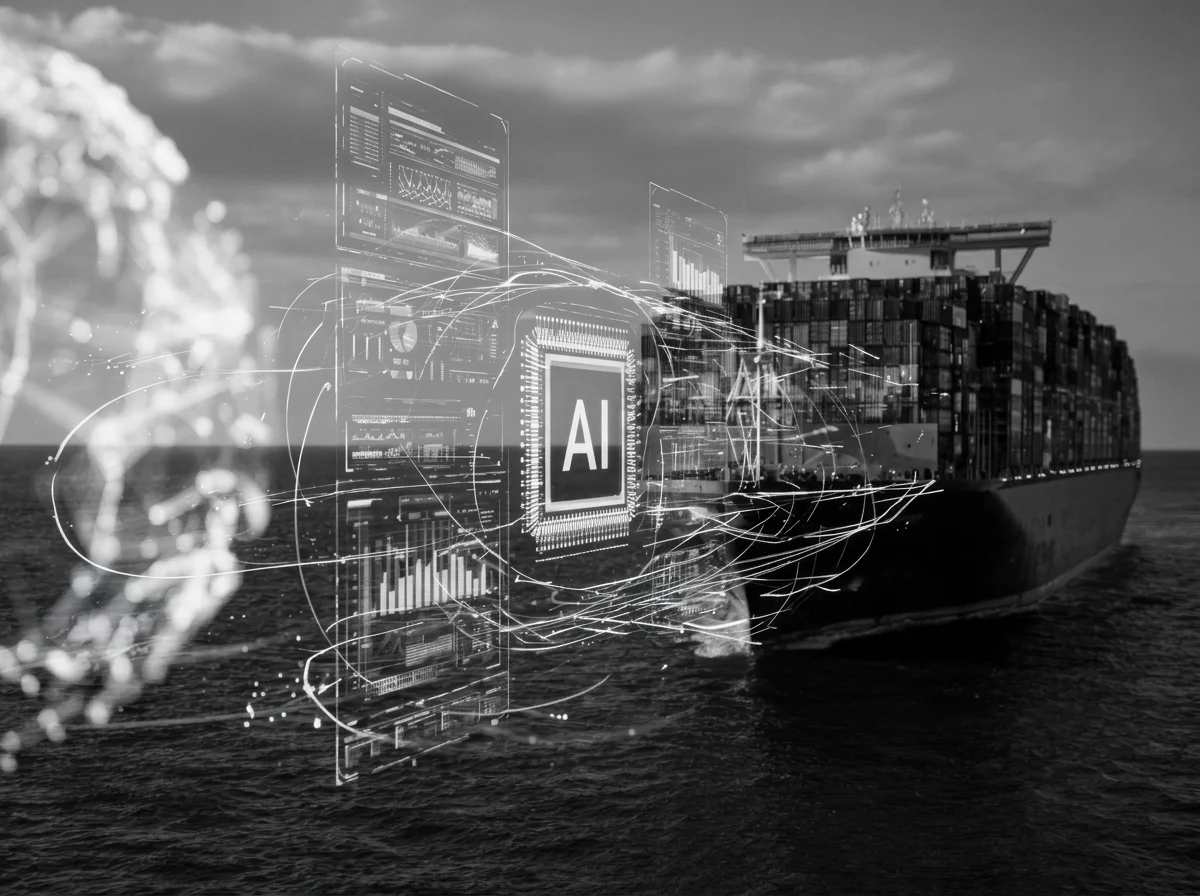
OPERATIONS, TECHNOLOGY, & COMMERCIALIZATION
Deployment, technical performance, operating models, human oversight, and the practical path to scale.
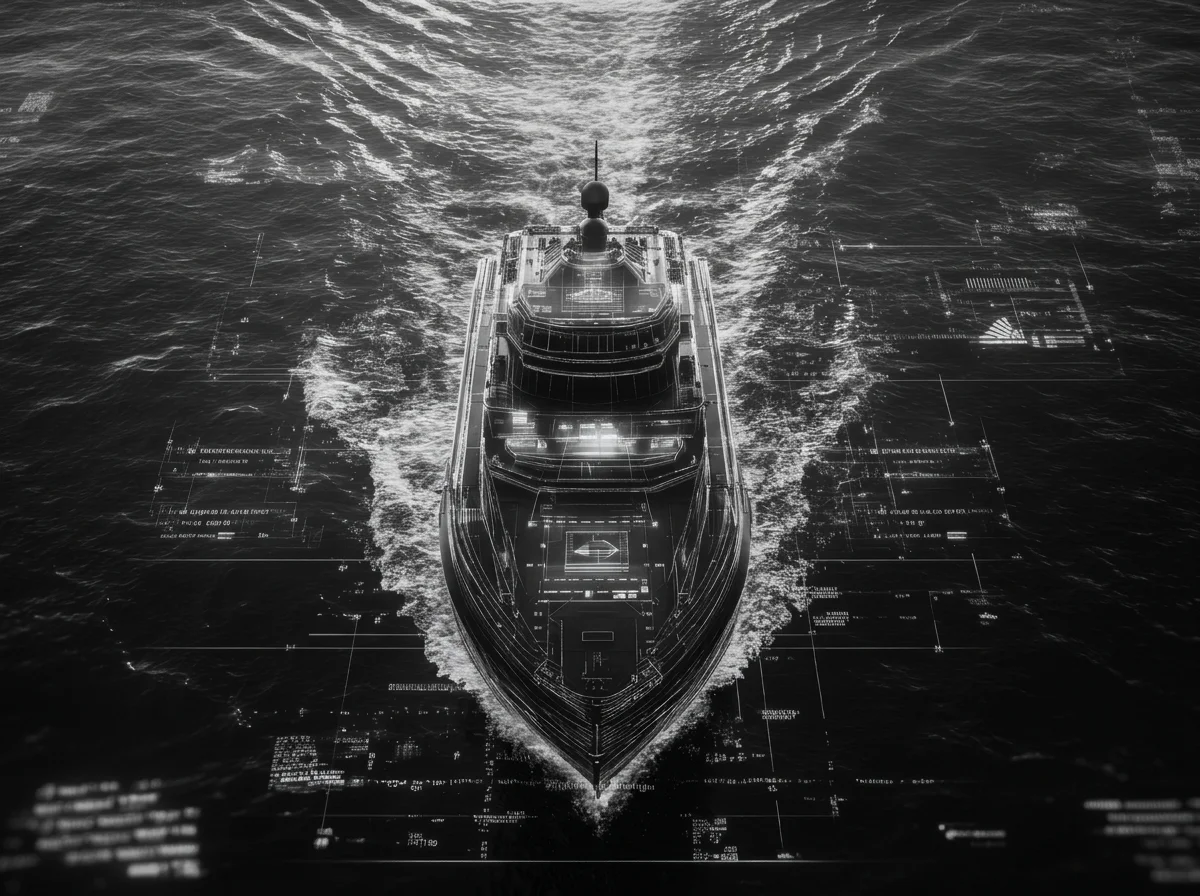
RISK, INSURANCE, & FINANCE
Insurability, liability allocation, claims, emerging exposures, risk financing, and financial sustainability.

GOVERNANCE & REGULATION
Legal and regulatory frameworks, classification, standards, and public-private alignment for responsible operations.
The questions that determine whether autonomy can scale responsibly.
WHAT MAVRC IS WORKING TO CLARIFY
Responsibility
01
Who must intervene, when, and who is accountable if intervention fails?
Evidence
02
What vessel, sensor, and decision data must survive a casualty?
Insurability
03
How should marine, cyber, E&O, and product-liability boundaries respond?
Aggregation
04
How should common software defects and fleet-wide exposure be managed?
THE MAVRC DIFFERENCE
A cross-sector council built around the problem.
MAVRC brings together the disciplines that autonomous maritime risk increasingly connects. The goal is practical: identify gaps earlier, create greater clarity across stakeholders, and help build the frameworks responsible adoption requires.